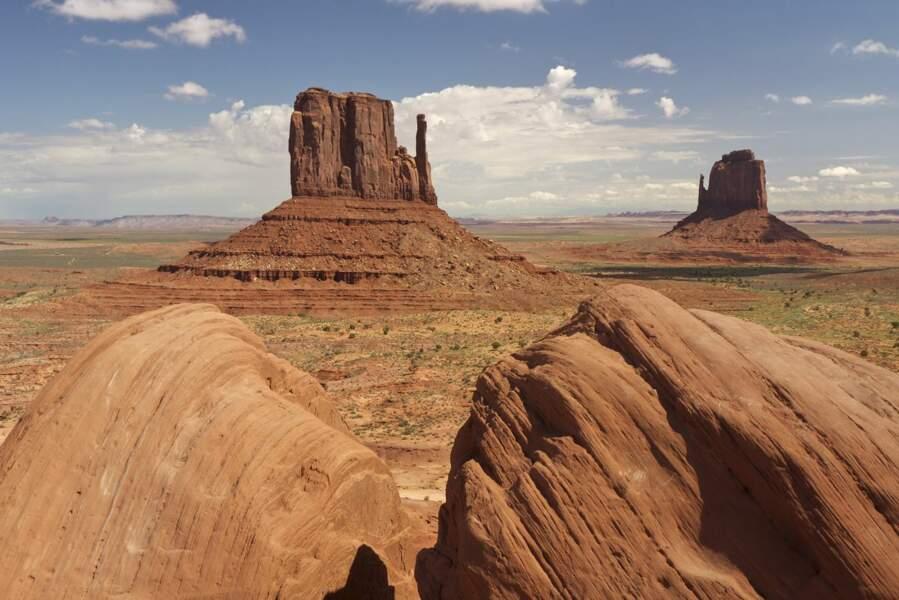
 Monument Valley
Monument Valley lies between Arizona and Utah, in the historic territory of the Navajo Indians. All that remains of this eroded plateau at an altitude of 1,600 metres are petrified mounds and strange edifices of shale and sandstone. Iron oxides and manganese give the stone its reddish-ochre colour. All you have to do is pay the Navajo Indians an entrance fee to access the site, which can then be visited freely in your own vehicle.
The view is magnificent in the evening, particularly from the rooms at Goulding's Lodge or the recently-opened View Hotel. My advice: after a busy day, head to the Amigo Cafe in Kayenta for a well-deserved meal in a local atmosphere.
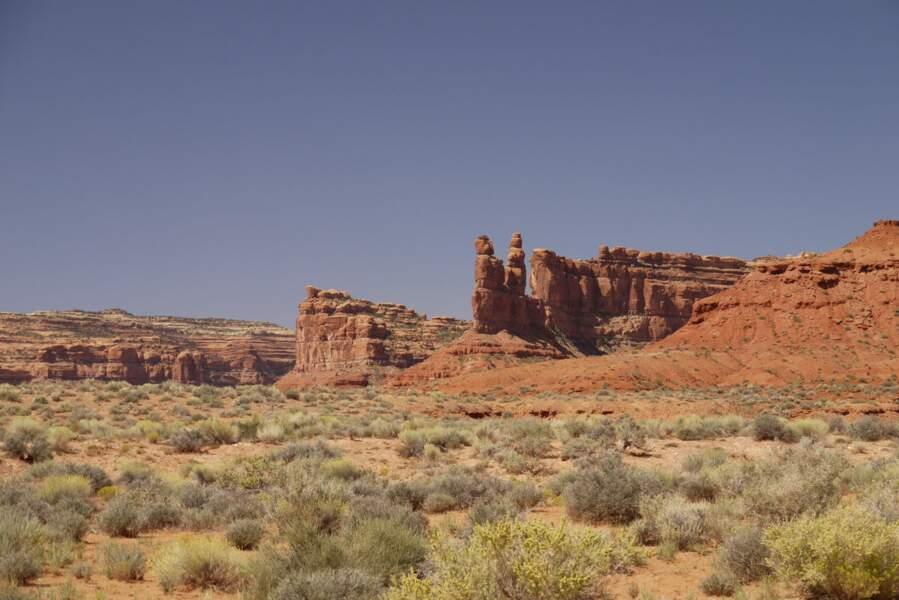
The Valley of the Gods
The Valley of the Gods lies around thirty kilometres north of Monument Valley. It's a little-known site, but a natural spectacle well worth the diversions. Remarkable sandstone towers, some 250 million years old, sit enthroned in the middle of this western landscape. An easily accessible 27-kilometre circuit leads to the narrow, picturesque Moki Dugway winding road. At the top of the road, turn left onto a sandy road towards Muley Point. At an altitude of 2,000 metres, the view of the San Juan River and Monument Valley is breathtaking.
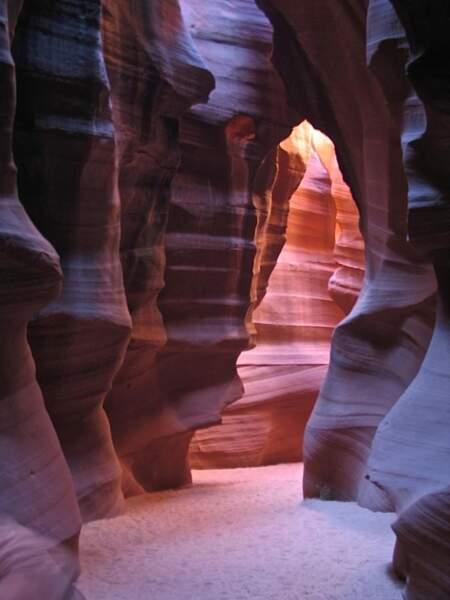
Antelope canyon
"Antelope Canyon was discovered in 1931 by a young Indian woman in search of her lost goats. It is 400 metres long and is a photographer's delight, particularly in the upper part of the canyon. It's a tricky place to take photos, however, due to the influx of tourists. That's why special time slots have been set aside for photographers. The cost of the visit is higher, but it allows you to take advantage of the exceptional light that illuminates the sandstone. In the event of a storm, even a distant one, the canyon must be evacuated by its lower section. In 1997, heavy rain caused the death of eleven tourists, seven of them French.
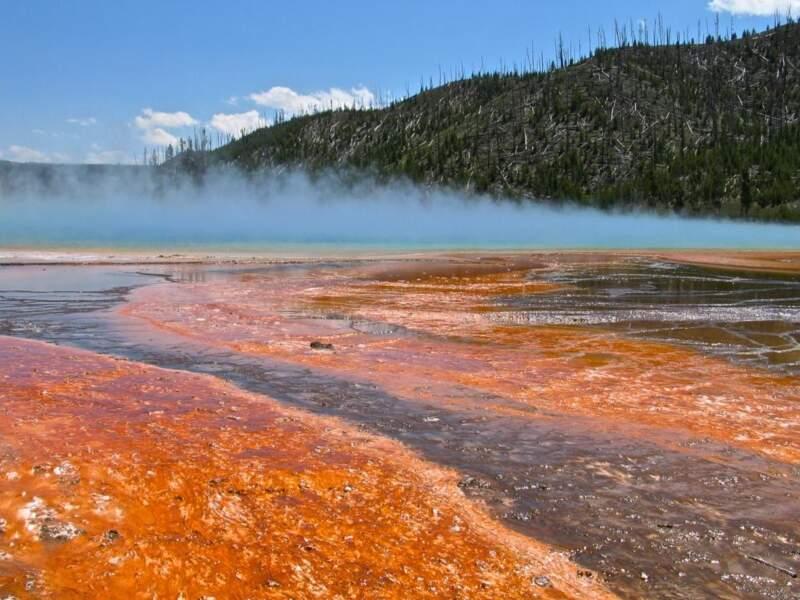
Yellowstone Park
Yellowstone Park, in Wyoming, covers an area larger than Corsica and is home to more than half of the world's geysers. It is the largest geothermal park in the world. This immense caldera, at an altitude of 2,400 metres, has a diameter of around 80 kilometres. The different colours that dot the park are due to the breakdown of iron (not sulphur) and the presence of numerous thermophilic bacteria. The park receives 3.4 million visitors a year.
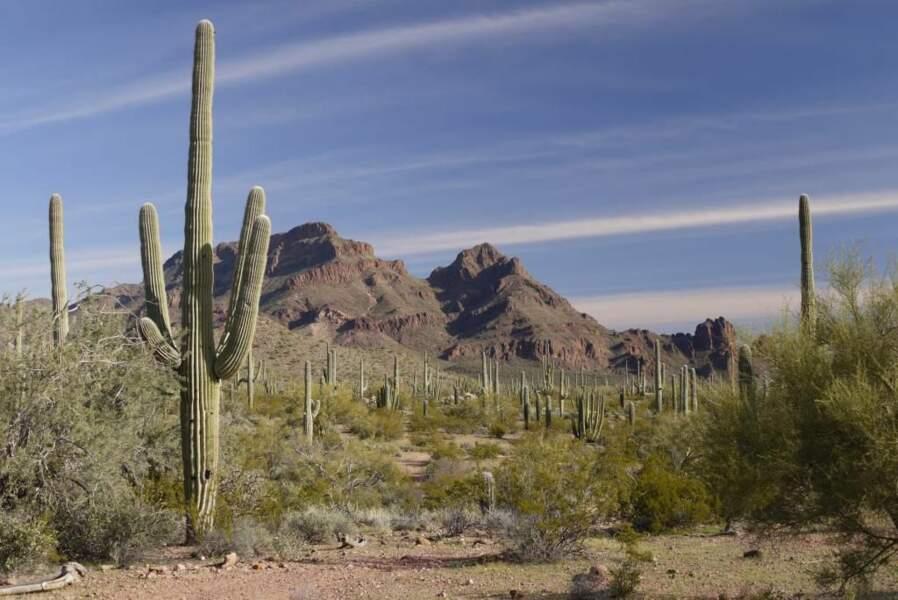
Arizona cactus
Head to the Sonora Desert in Arizona to discover the Organ Pipe Cactus National Monument International Biosphere Reserve. This park stretches along the border between the United States and Mexico. The park is home to the organ pipe cactus, which differs from the wiry saguaro (pictured). The park is huge and takes at least two days to visit. Plan to spend one or two nights in the town of Ajo, or at the reserve's campsite.
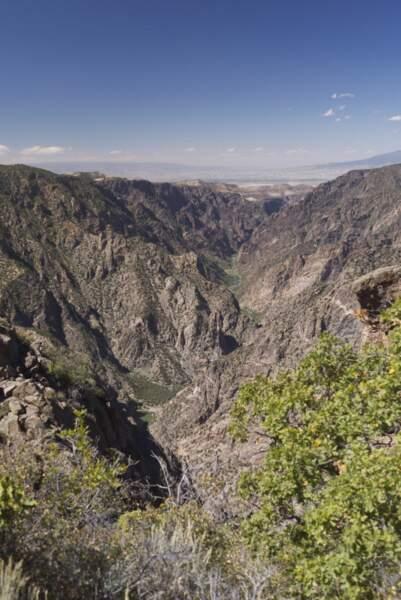
The Gunnison black canyon
The black canyon of the Gunnison River owes its name to its narrowness and depth, which prevent sunlight from fully penetrating the rocky gorges. The site is near Montrose, Colorado.
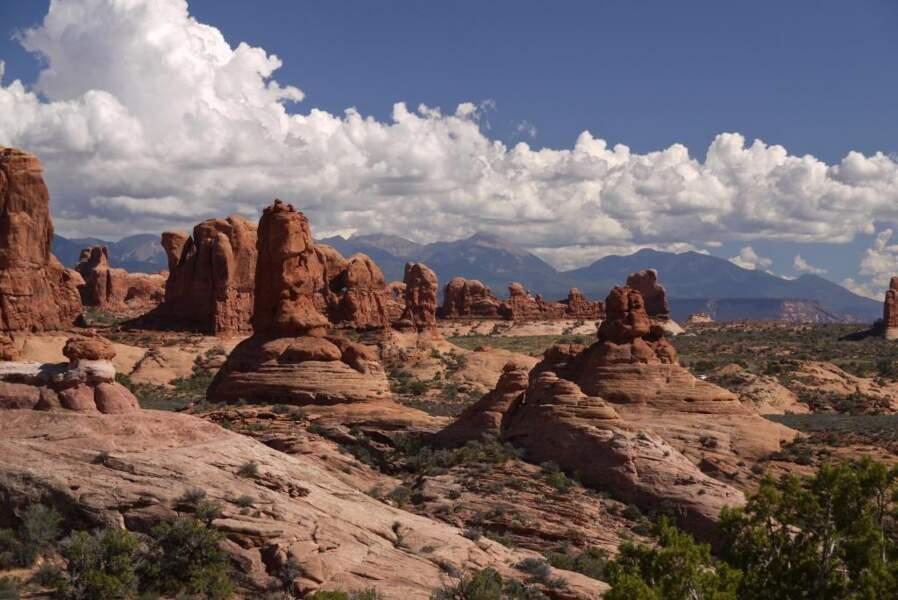
Parc des Arches
Arches National Park is in Utah, near the town of Moab. It is home to a fabulous collection of over 2,000 red sandstone arches, formed by millions of years of erosion. These majestic arches with their delicate shapes rival in beauty the rocky buttes that stand proudly in the heart of the plateau.
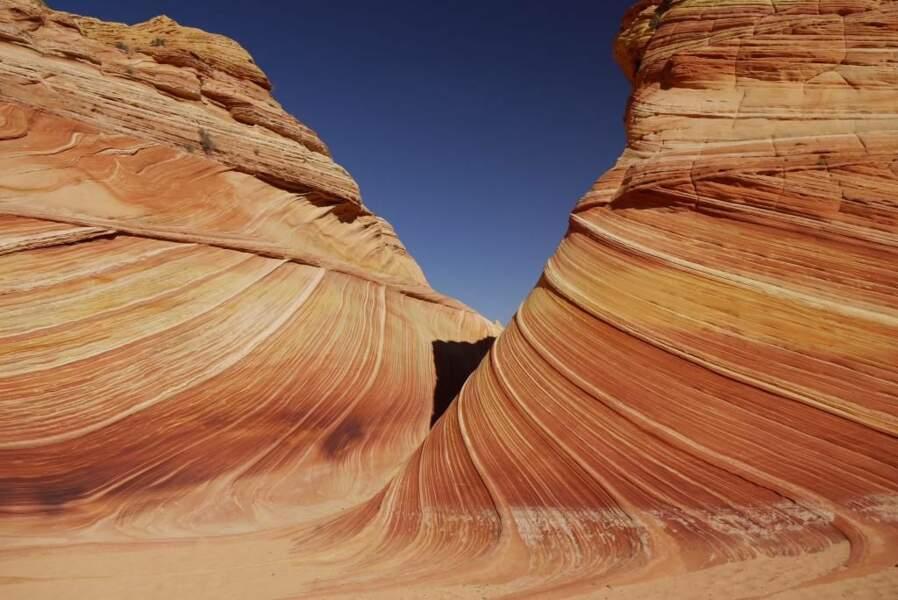
The Wave, in Arizona
Located in Arizona, The Wave is without doubt the most beautiful landscape we have ever seen in the United States. It is an extraordinary interweaving of different strata of dunes petrified by the dissolution of the upper layers of limestone. Visits are limited to twenty people a day, chosen by lottery, giving you the chance to visit this natural masterpiece in near absolute silence.
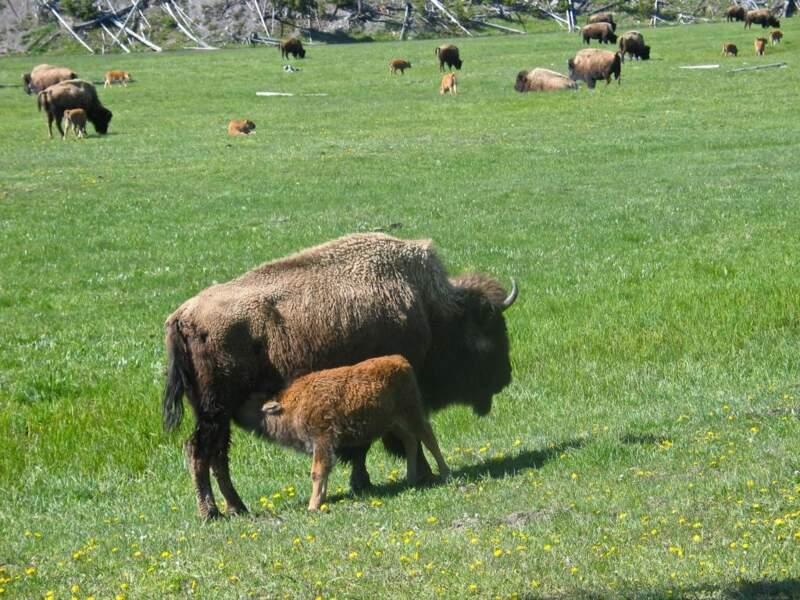
Plains bison
Bison have lived in the American Midwest for thousands of years. These enormous ruminants, once numbering in the tens of millions, almost became extinct as a result of hunting by European settlers.
A word of advice: never drive at night in the American West. Horses, sheep, cows, coyotes, grizzly bears and deer are all likely to get in your way.
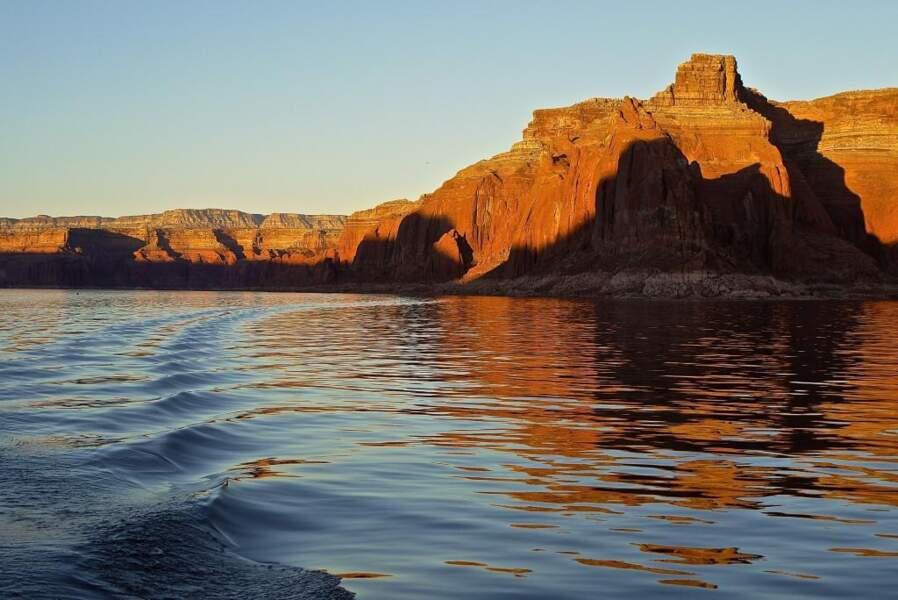
Lake Powell
Lake Powell is an immense man-made lake, around 300 kilometres long, created when Glen Canyon Dam was built in the 1960s. It took almost twenty years for the lake to fill up! Now very busy, the lake is ideal for cruising. At night, there is absolute silence and a wonderful sense of solitude.
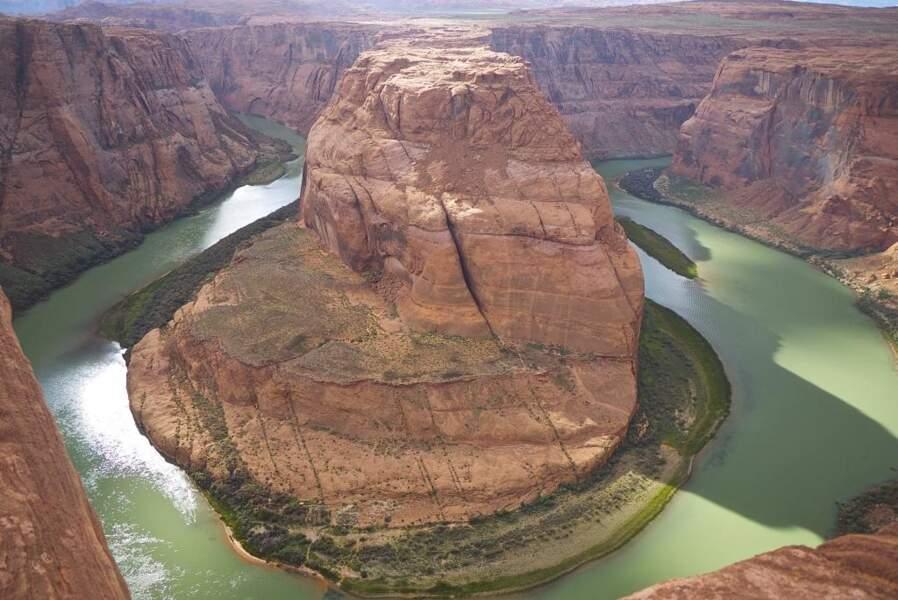
Le Fer à Cheval
Here we are near the town of Page, Arizona. The Horseshoe Bend is an impressive meander of the Colorado River, flowing through the red sandstone of a plateau that was uplifted five million years ago. It's only possible to photograph the whole thing with a wide-angle lens!
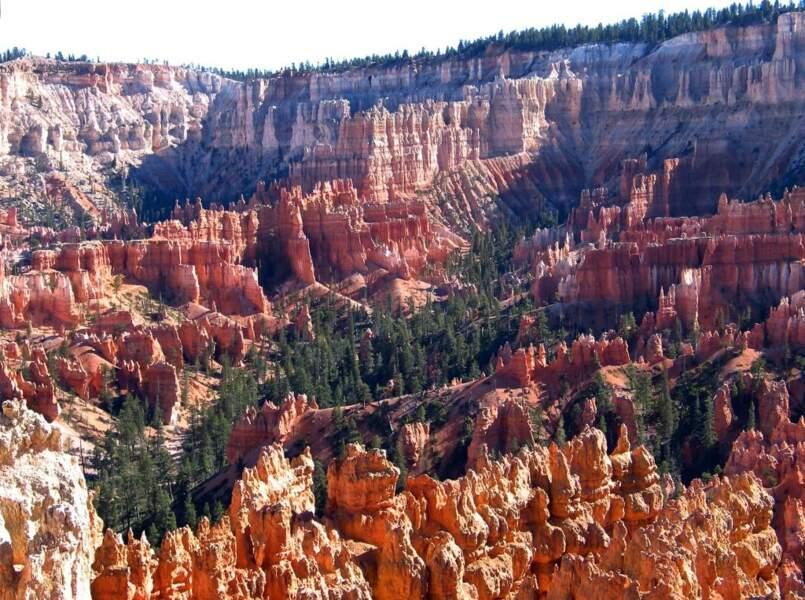
Bryce Canyon
Located in Utah, Bryce Canyon is a jewel box of colours and shapes. This natural amphitheatre is dotted with "hoodoos", multicoloured fairy chimneys that owe their red and yellow hues to the haematite and limonite of which they are composed. The colours change according to the time of day, from warm shades to almost unreal purplish hues.
See also